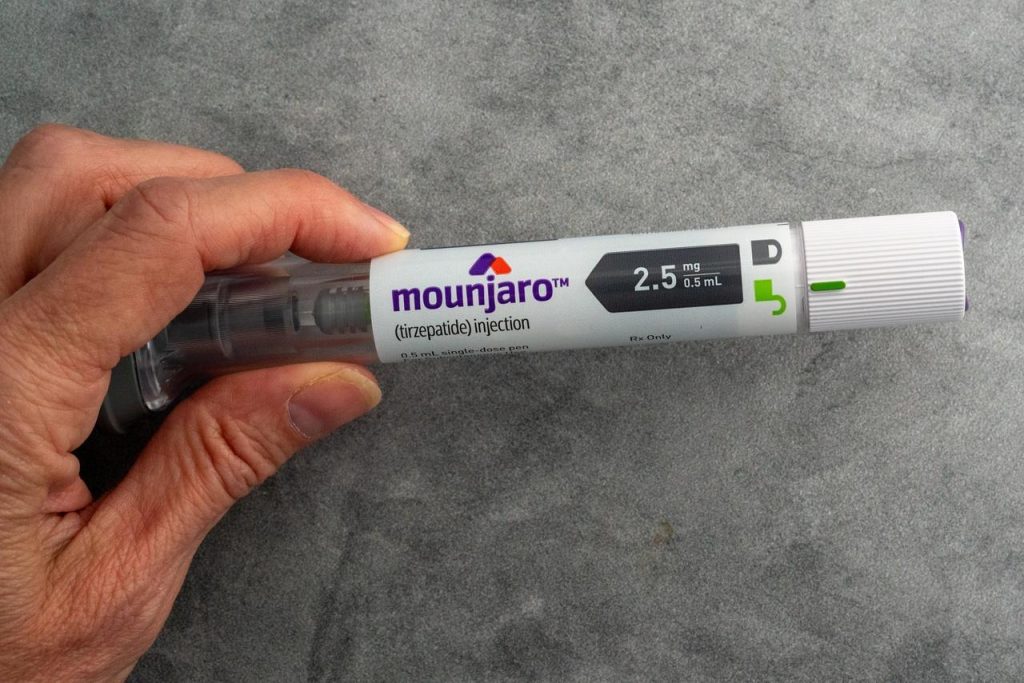
Brasília – Nearly 70% of the insulin distributed through Brazil’s Unified Health System (SUS) in 2025 comes from batches not registered with the National Health Surveillance Agency (Anvisa), according to data from the Ministry of Health. The government attributes the situation to global production shortages linked to the surge in demand for weight-loss medications such as semaglutide and tirzepatide.
Officials argue that pharmaceutical companies have redirected production capacity toward higher-value obesity drugs, reducing the availability of traditional insulin formulations. As a result, Brazil has been importing emergency supplies approved only by foreign regulators to avoid treatment interruptions for diabetic patients.
Experts warn that the growing dependence on unregistered imports exposes vulnerabilities in public procurement and regulatory oversight. To mitigate the shortage, the Ministry of Health is negotiating technology-transfer agreements with manufacturers from India and China to expand local production and restore supply stability.
Source: Folha de S.Paulo
Would you like a complete analysis on this? Contact us at pharmabrnews@gmail.com

Leave a Reply