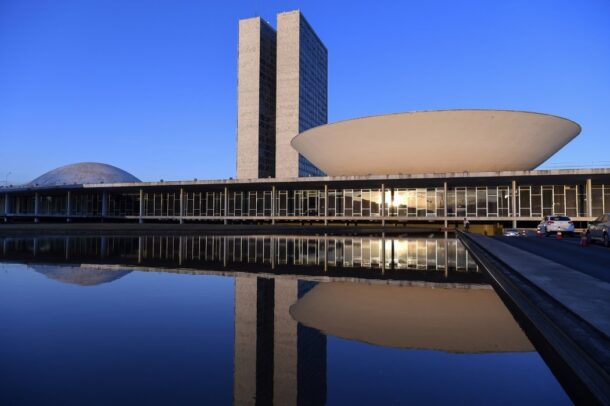
Brasília – The House of Representatives’ Committee on the Rights of Persons with Disabilities (CPD) held a public hearing, at the request of Representative Duarte Jr. (PSB-MA), to discuss the creation of assisted therapy centers within Brazil’s Unified Health System (Sistema Único de Saúde – SUS). The debate, prompted by the Biored Brasil network, focused on ensuring access to safe and continuous administration of immunobiological therapies for patients with immune-mediated diseases.
The Brazilian Society of Rheumatology (SBR) stressed the urgency of the measure, noting that around 30,000 patients depend on high-complexity infusion drugs that cannot be self-administered. The lack of public infusion centers forces many to travel long distances, raising costs and the risk of treatment interruption. The SBR warned that this represents a severe gap in care and urged the government to structure a national policy to guarantee equitable and safe access.
Biored Brasil presented data from a survey of 739 patients, showing that only 10% received pharmacist guidance when obtaining their medications, while 46% reported no access to a public infusion center in their region. Many patients resort to private services, paying between R$150 and R$400 per application, or depend on support programs that have since been discontinued.
Representing the National Health Council (Conselho Nacional de Saúde – CNS), Priscila Torres highlighted that the creation of these centers has been a priority topic since 2018, but still lacks regulation, financing, and operational guidelines. The CNS has already issued Recommendation No. 20/2024, calling for new procedural codes, regionalized units, and the development of a National Policy on Biological Medicines. She urged the Ministry of Health to adopt emergency measures while the permanent framework is being built.
From the Ministry of Health, Arthur Lobato Barreto Mello, Director of Specialized and Thematic Care, confirmed that a draft ordinance to establish the centers has been completed, accompanied by a budget-impact analysis. He announced the formation of a working group with the CNS, Conass, and Conasems to develop the policy collaboratively and noted that existing structures—such as university hospitals and underused COVID-19 facilities—could be adapted for rapid implementation.
Jans Bastos Izidoro, from the Department of Pharmaceutical Assistance (DAF), said the plan is a strategic priority, aiming to reduce patient displacement and optimize the SUS’s capacity. He emphasized that the centers can start operating without new construction, relying on integration between care levels and telepharmaceutical follow-up.
As next steps, Representative Duarte Jr. proposed five actions: creation of a multi-stakeholder working group; a technical note on budget feasibility; coordination with the Social Security and Family Committee for new legislative proposals; inclusion of the topic in the National Health Plan; and consolidation of the hearing’s outcomes into an official report to guide future initiatives.
Source: NK Consultores
Want to explore this and other key issues in Brazil’s health system?
Contact us at pharmabrnews@gmail.com


Leave a Reply