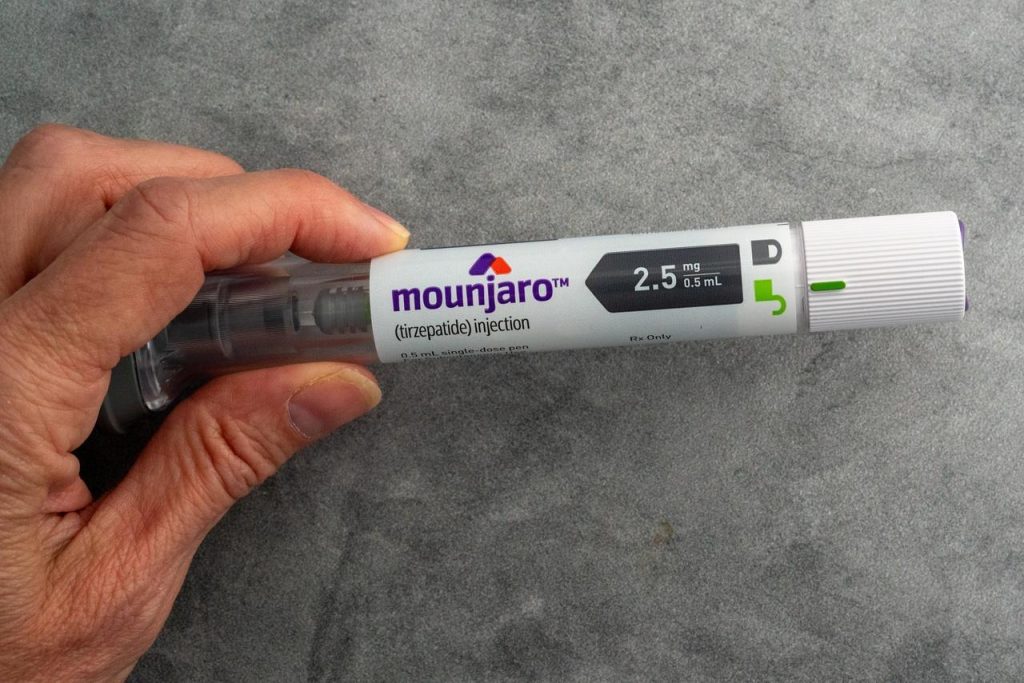
Brasília – While high-income individuals increasingly use the GLP-1 injectable Mounjaro (tirzepatide) for aesthetic weight loss, patients in the Unified Health System (Sistema Único de Saúde – SUS) still struggle to access official obesity treatments, according to endocrinologist Dr. Maria Edna de Melo, from Hospital das Clínicas da Universidade de São Paulo (HCFMUSP) and a member of the Brazilian Society of Endocrinology and Metabolism (SBEM).
Dr. Melo, a specialist in obesity care and public-policy advocacy, warned that this imbalance reflects a deep structural inequality. She described obesity as a chronic, multifactorial disease that requires medical, nutritional and psychological support — not a question of personal willpower. According to her, “GLP-1 therapies represent a revolution in treatment, but today they are an evolution for few,” given the prohibitive cost and the absence of these drugs in the SUS.
She also highlighted that the lack of access to adequate obesity management within the public system increases the risk of comorbidities such as diabetes, hypertension and cardiovascular disease — which in turn raise long-term costs for the health system. Expanding access to evidence-based therapies, she argued, would be both a social-justice measure and a public-health investment.
Source: Estadão
Want to explore this and other key issues in Brazil’s health system?
Contact us at pharmabrnews@gmail.com


Leave a Reply