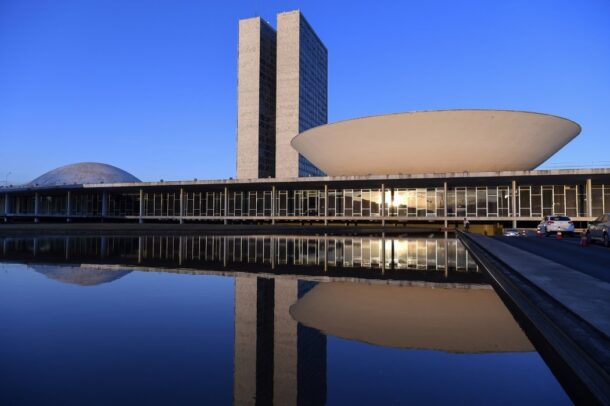
Brasília – Brazil’s public health system faces mounting challenges as parliamentary amendments have grown into a substantial portion of the federal budget for the Unified Health System (SUS), raising concerns about planning and equitable resource allocation. At a seminar hosted by the National Health Council’s financing commission, experts including jurists, economists and health policy specialists warned that the increasing reliance on these legislative budgetary allocations has weakened structured health planning and made funding more vulnerable to political interests rather than epidemiological needs.
Speakers highlighted that parliamentary amendments, initially intended as complementary investments, now compete with core budgetary mechanisms and can divert funds away from technical health planning frameworks. Critics argue this dynamic exacerbates regional inequities, undermines transparency and limits the ability of health authorities to prioritize spending based on public health criteria, challenging long-standing goals of equity and effectiveness within the SUS.
Source: Agência Gov
Need to understand Brazil’s market and political landscape?
Contact Pietro Rubin — pharmabrnews@gmail.com


Leave a Reply